

Biocompatibility of Medical Devices: evaluation according to ISO 10993 and MDR
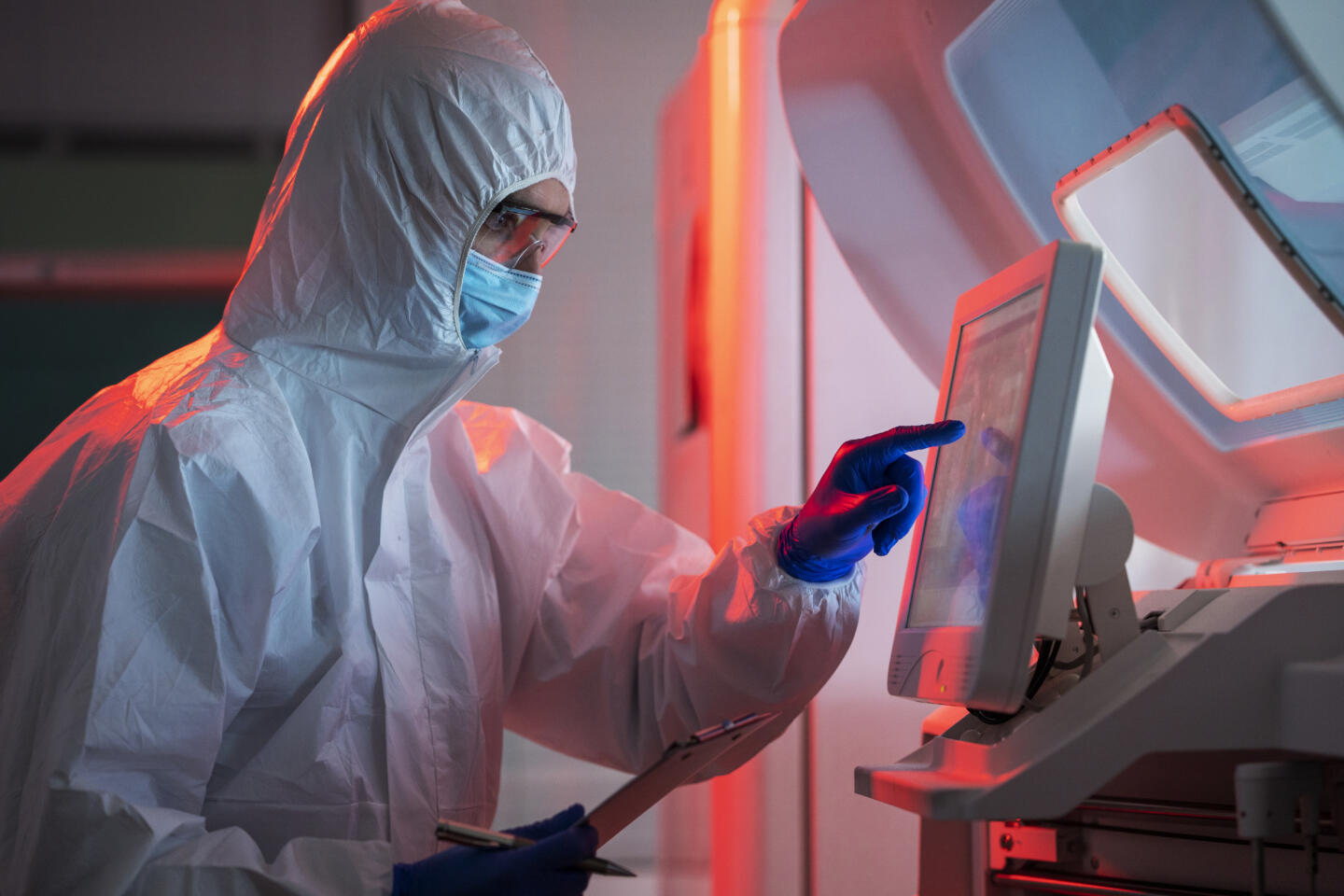
The biocompatibility of medical devices is the ability of a device to interact with the human body without causing unacceptable biological reactions under the intended conditions of use.
Within the context of the ISO 10993 series (recently updated with the publication of the new framework standard ISO 10993-1:2025, adopted at the European level as EN ISO 10993-1:2025) and the MDR Regulation (EU) 2017/745, this ability is demonstrated through a structured biological evaluation based on a risk management approach.
Indeed, ISO 10993-1:2025 reinforces the principle that biological evaluation must be fully integrated into the risk management process set out in ISO 14971, forming an integral part of it. Biological risks must therefore be identified, analyzed, evaluated, and controlled within the device’s risk management file.
The biological evaluation considers the device in its final configuration, including materials, manufacturing processes, processing and sterilization residues, as well as packaging. By integrating chemical and toxicological data with information regarding the patient’s exposure profile, the manufacturer must demonstrate that residual biological risks are acceptable compared to the intended benefits of the device throughout its entire life cycle.
What is Biocompatibility Evaluation?
Biocompatibility evaluation is an integrated chemical, biological, and documentary process. The objective is not to qualify a single material, but to assess whether the finished device, under actual intended conditions of use, can generate unacceptable adverse biological effects for the patient and the user.
The evaluation considers:
- Material and raw material composition.
- Manufacturing processes and surface treatments.
- Sterilization and associated residues.
- Mode, frequency, and duration of patient exposure.
- Modifications made to the device or processes during the product’s life cycle.
The biological effects (relevant biological endpoints to be evaluated to demonstrate device safety) are selected through the risk management process and may include:
- Cytotoxicity, irritation, and skin sensitization.
- Systemic toxicity and genotoxicity, where applicable.
- Reproductive and developmental effects, when relevant.
- Immunological and inflammatory responses, where relevant.
The scope of the evaluation and the need to perform biological testing depend on the nature of the device, the type and duration of contact with the human body, and existing data, following a scientifically justified, risk-based approach in line with the requirements of ISO 10993-1:2025 and ISO 14971.
Exposure profile and biological evaluation criteria
The first step consists of defining the patient’s exposure profile, based on the nature and duration of contact with the device.
Types of Contact (ISO 10993-1 Classification):
- Surface-contacting devices:g., intact skin, mucous membranes, breached or compromised surfaces.
- External communicating devices:g., indirect blood paths, tissue/bone/dentin, circulating blood (transitory/short-term contact like catheters).
- Implant devices:g., devices in permanent or long-term contact with tissue/bone or the cardiovascular system (blood).
Duration of Contact:
- Limited: ≤ 24 hours
- Prolonged: 24 hours to 30 days
- Long-term: > 30 days
This classification allows for the identification of the most relevant biological endpoints, defines the scope of the evaluation, and establishes whether experimental data or scientific justifications are required.
Chemical Characterization and Extractables & Leachables (E&L)
A core element is the chemical characterization of the medical device (ISO 10993-18). The analysis focuses on:
- Extractables: chemical substances that can be extracted from the device using solvents and temperatures under aggressive, forced, or accelerated extraction conditions, aimed at obtaining a qualitative and quantitative profile of the potential release (worst-case scenario).
- Leachables: chemical substances actually released from the device under intended clinical use conditions or estimated through study designs under simulated conditions representative of use.
This analysis enables the early identification of biological hazards and supports the toxicological risk assessment.
BEP and BER: key documents
The biological evaluation is developed through two fundamental documents within the technical file, which are crucial for regulatory compliance:
- Biological Evaluation Plan (BEP): Defines the strategy, includes a gap analysis on available data, and plans the necessary evidence.
- Biological Evaluation Report (BER): Documents the outcomes of the process, integrating chemical, toxicological, and clinical evidence, estimating the residual risk, and drawing final conclusions on the biological safety of the device.
A continuous process: manufacturer obligations and strategy
Biocompatibility is not a one-time activity, but a process that must be updated throughout the entire life cycle of the device. The manufacturer must consider:
- Design or material modifications.
- Variations in manufacturing processes.
- Evidence resulting from post-market surveillance.
- New scientific and toxicological knowledge.
A structured strategy optimizes time and costs, reducing unjustified testing activities and ensuring progressive biological risk management to support compliance.
For an overview of the most recent revisions in the ISO 10993 series and major regulatory updates, please refer to our dedicated in-depth article: Biocompatibility and Biological Safety of Medical Devices: ISO 2025-2026 Updates.
FAQ on Medical Device Biocompatibility
- Is it always mandatory to perform in vivo (animal) testing?
No. Modern biological evaluation is strictly driven by a risk-based approach. Through chemical characterization (E&L) and a robust Toxicological Risk Assessment (TRA), manufacturers can formulate a scientific rationale to justify the omission of specific in vivo tests, demonstrating that potential exposure to released substances does not pose a hazard. Furthermore, the use and validation of alternative in vitro methods (e.g., for cytotoxicity, or skin irritation using reconstructed human epidermis) offer scientifically sound solutions that significantly reduce the need for animal testing.
- If I make a modification to the manufacturing process or packaging, do I need to retest?
Any change (design, raw materials, suppliers, sterilization, or packaging) requires an update to the biological evaluation. This does not necessarily mean repeating tests; a gap analysis must be performed to assess whether the modification introduces new biological risks. If existing data and the scientific rationale demonstrate that safety is not compromised, the BER is updated without further experimental testing.
- Which laboratories should I entrust with testing to ensure data integrity?
Chemical characterization and in vitro biological tests should preferably be entrusted to laboratories operating under recognized quality management systems (e.g., ISO/IEC 17025 accreditation or GLP principles). In vivo biocompatibility tests, where strictly necessary for patient safety, should be conducted at test facilities operating in compliance with Good Laboratory Practice (GLP) principles, where applicable and required by regulatory authorities (ISO 10993-2).
- When is a material degradation study required?
According to ISO 10993-9, the evaluation of biological degradation products (other than mechanical wear debris) must be considered whenever the device has the potential to generate degradation products during use. This scenario is particularly relevant if the device is designed to be bioabsorbed by the body, is intended for long-term implantation (over 30 days), or if the chemical nature of the materials suggests the potential release of toxic degradation products during contact with biological tissues.
>>> Complife supports manufacturers in defining their biological evaluation strategy, planning testing activities, and preparing technical documentation according to MDR and ISO 10993 throughout the entire medical device life cycle.
Sources
