

Plants containing Hydroxyanthracene Derivatives (HADs): proposed EU Ban on Rhubarb, Senna, and Buckthorn
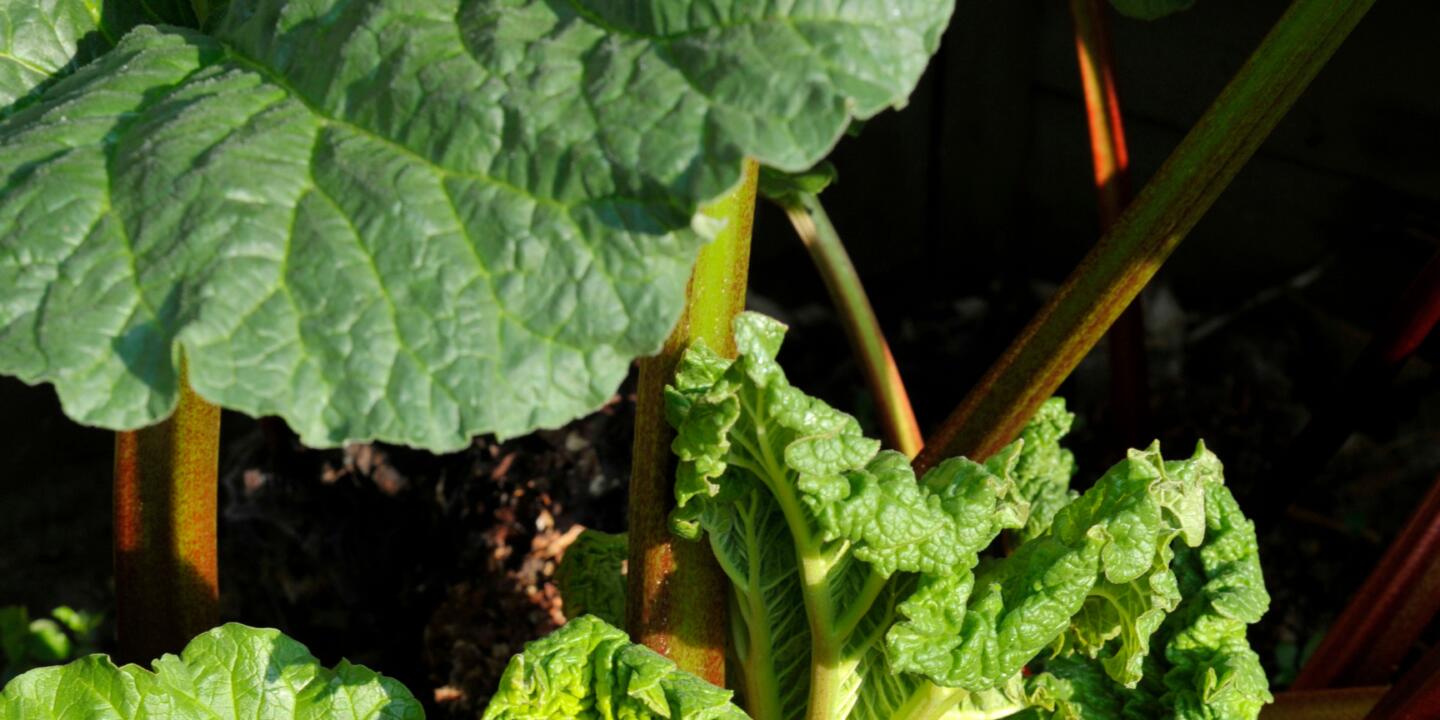
Preparations derived from Rheum palmatum L., Rheum officinale Baillon (and their hybrids), Cassia senna L., Rhamnus frangula L., and Rhamnus purshiana DC. containing hydroxyanthracene derivatives (HADs) may soon be banned in food and food supplements. The European Commission has put forward draft Regulation SANTE/1196/2024 Rev.3 (notified as D099926/02 and circulated to the Council as D099926/3), providing for their transfer from Part C (substances under Union scrutiny) to Part A (prohibited substances) of Annex III to Regulation (EC) No 1925/2006, resulting in a prohibition of their use in foods, including food supplements.
The draft, endorsed by the Standing Committee on Plants, Animals, Food and Feed (SCoPAFF), is currently undergoing the scrutiny period by the European Parliament and the Council, running from July 15 to October 15, 2026.
As of today, the proposed ban is not yet applicable: only in the event of formal adoption by the Commission, followed by publication in the Official Journal of the European Union, will the measure become enforceable.
Regulatory background
Annex III to Regulation (EC) No 1925/2006 distinguishes between Part A (prohibited substances), Part B (restricted substances), and Part C (substances under Union scrutiny). Under Article 8, upon conclusion of the scrutiny period, a substance may be transferred from Part C to Part A or Part B, or removed from the Annex depending on the outcome of the scientific assessment.
The entries concerning Rheum, Cassia senna, and Rhamnus were placed in Part C by Regulation (EU) 2021/468 in March 2021, based on the EFSA scientific opinion of November 22, 2017. The same regulation placed aloe-emodin, emodin, danthron, and aloe leaf preparations containing HADs in Part A: these entries subsequently became the subject of court proceedings before the EU General Court, which on November 13, 2024 (joined cases T-189/21, T-271/21, T-274/21, T-302/21) annulled them, with the exception of danthron.
Outcome of the EFSA evaluation
The Commission’s proposal reflects the findings of the EFSA opinion of March 20, 2024 (EFSA Journal 2024; 22(5):e8766). Based on the available evidence, the Authority concluded that the safety of preparations from Rheum, Cassia senna, and Rhamnus containing HADs cannot be established, given the confirmed presence in all three botanical preparations of at least one hydroxyanthracene derivative showing in vivo genotoxicity, making it impossible to define a safe daily intake level.
During this scrutiny period, both industry associations and companies advocate for a more proportionate approach that distinguishes between the specific risk associated with certain substances (HADs) and a broad prohibition extending to the whole plant or botanical preparation, particularly in light of the earlier legal developments surrounding aloe.
What this means for operators
Nutraceutical operators should review formulations for Rheum, Cassia senna, and Rhamnus, and assess the reformulation or removal of the botanical preparations targeted by the proposed Regulation.
>>> Complife supports FBOs with safety and efficacy testing, in vivo clinical trials and strategic regulatory consulting. to ensure that formulation, labeling, and documentation comply with the specific regulations of the target market.
SOURCES
