

Botanicals and the Novel Food Regulation: When a plant derivative requires authorization
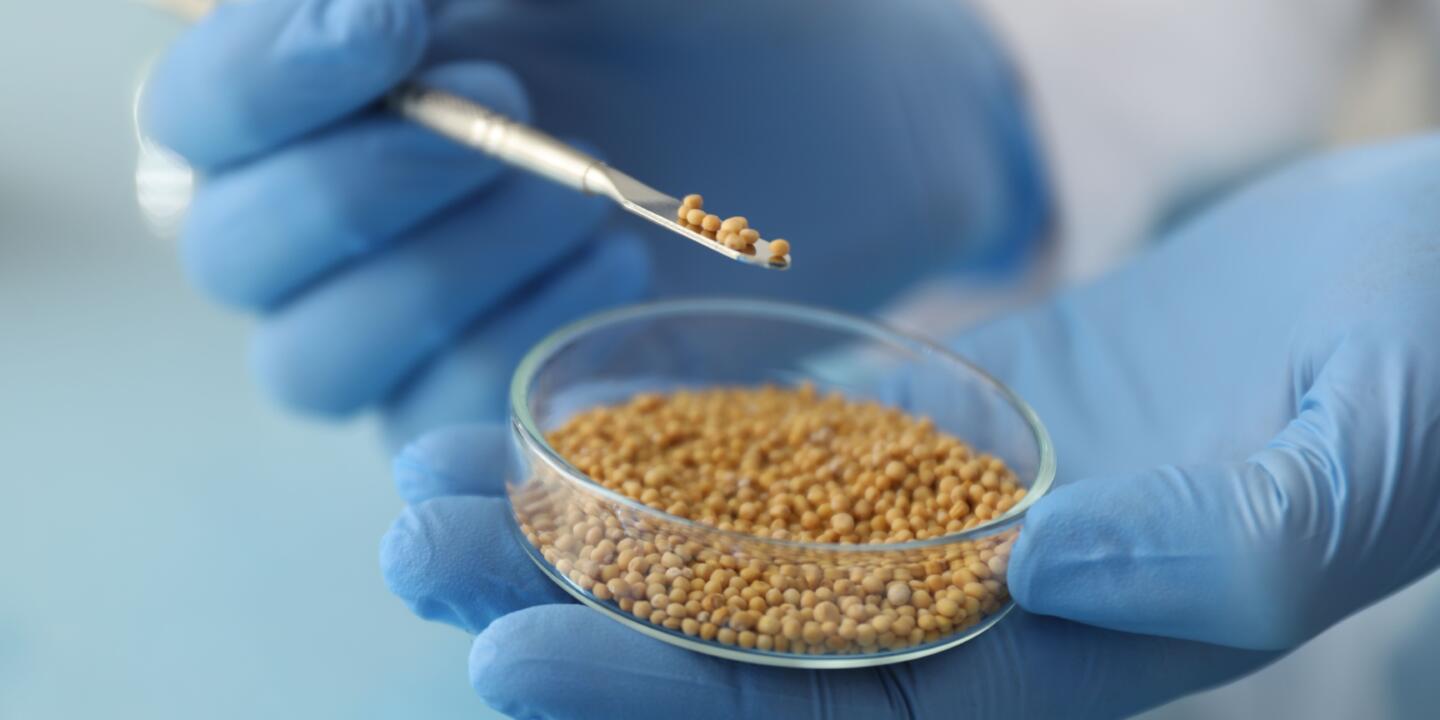
A plant’s history of safe food use within the Union does not automatically demonstrate the safety of the plant derivatives obtained from it.
Recent consultation outcomes under Article 4 of Regulation (EU) 2015/2283 on Novel Foods confirm that processing methods – such as selective extraction, hydrolysis, concentration, and purification – can yield a product substantially different from the original botanical matrix, presenting potential health risks. Consequently, these plant derivatives intended for food supplements and nutraceuticals are increasingly classified as Novel Foods.
History of consumption must apply to the specific product evaluated
Pursuant to Article 3(2)(a)(iv) of Regulation (EU) 2015/2283, foods consisting of, isolated from, or produced from plants or their parts are deemed Novel Foods, unless a history of safe food use within the European Union prior to 15 May 1997 is demonstrated.
When Food Business Operators (FBOs), including manufacturers, are uncertain whether an ingredient qualifies as a Novel Food, they may initiate a formal consultation procedure with the competent authority of the relevant EU Member State under Article 4 of the Regulation. The evaluation does not address the botanical raw material on its own; it assesses the specific plant derivative in the exact composition, finished form, and production process intended for commercialization.
Recent consultation outcomes published on the European Commission portal provide clear examples:
- Phaseolus vulgaris – Hydrolysed Peptide Extract: in March 2026, a hydrolysed peptide extract of black bean (Phaseolus vulgaris) was classified as a Novel Food. Despite the significant history of safe food use in the Union of the legume itself, the enzymatic hydrolysis process generates a profile of peptides and partially hydrolysed proteins distinct from the native botanical matrix.
- Vitellaria paradoxa – Polyphenol-Rich Extract: in June 2026, a similar Novel Food determination was issued for a polyphenol-rich plant extract obtained from Vitellaria paradoxa. The combination of extraction and enzymatic treatment yields polyphenol concentrations not found in the native plant or supported by traditional uses.
- Curcuma longa L. – Highly Concentrated Curcumin: While dried or powdered turmeric rhizome has an established history of safe food use within the Union, purified curcumin extracts and formulations designed to increase bioavailability have been classified as Novel Foods since April 2023, as the active substances occur in concentrations and structures markedly different from the native botanical source.
To carry out a preliminary check, operators can consult the European Commission’s Novel Food Status Catalogue. This tool provides purely indicative, non-exhaustive, and non-binding guidance. The legal obligation to guarantee safety and compliance before placing any food ingredient on the market remains with the FBO.
From Novel Food status determination to authorization for placing on the market
It is critical to distinguish between:
- Novel Food status determination: verifies whether a plant derivative falls within the scope of the Novel Food Regulation.
- Authorization for placing on the market: represents the mandatory legal prerequisite for placing a Novel Food ingredient on the EU market.
The EU regulatory framework establishes that:
- Prohibition of unauthorized marketing: if an ingredient qualifies as a Novel Food and is not included in the Union List, it cannot be placed on the EU market.
- Authorization procedure (Article 10): Article 10 of Regulation (EU) 2015/2283 governs the application process submitted directly to the European Commission, supported by a comprehensive technical and scientific dossier for safety assessment by EFSA.
- Inclusion in the Union List: commercialization is permitted only after the formal adoption of an implementing regulation that enters the Novel Food into the Union List.
Operator responsibilities
Pursuant to Article 17 of Regulation (EC) No 178/2002, FBOs are responsible for ensuring that foods satisfy the requirements of food law applicable to their activities and for verifying that such requirements are met within the businesses under their control.
For botanical ingredients intended for food supplements, verifying Novel Food status therefore represents an essential element of regulatory due diligence prior to placing on the market.
>>> Complife acts as an integrated partner for FBOs in the nutraceutical sector, supporting them on both a consultancy and a technical-experimental level throughout the entire Novel Food process. Support ranges from assessing the ingredient’s status and its history of safe food use within the Union to managing the consultation procedure (Article 4 of Regulation (EU) 2015/2283). If an authorization application is required, Complife defines the regulatory strategy and prepares the technical-scientific documentation, integrating data collection with the testing activities necessary to define the safety profile and physicochemical characteristics of the Novel Food.
SOURCES:
