

Surgical Devices And Biocides
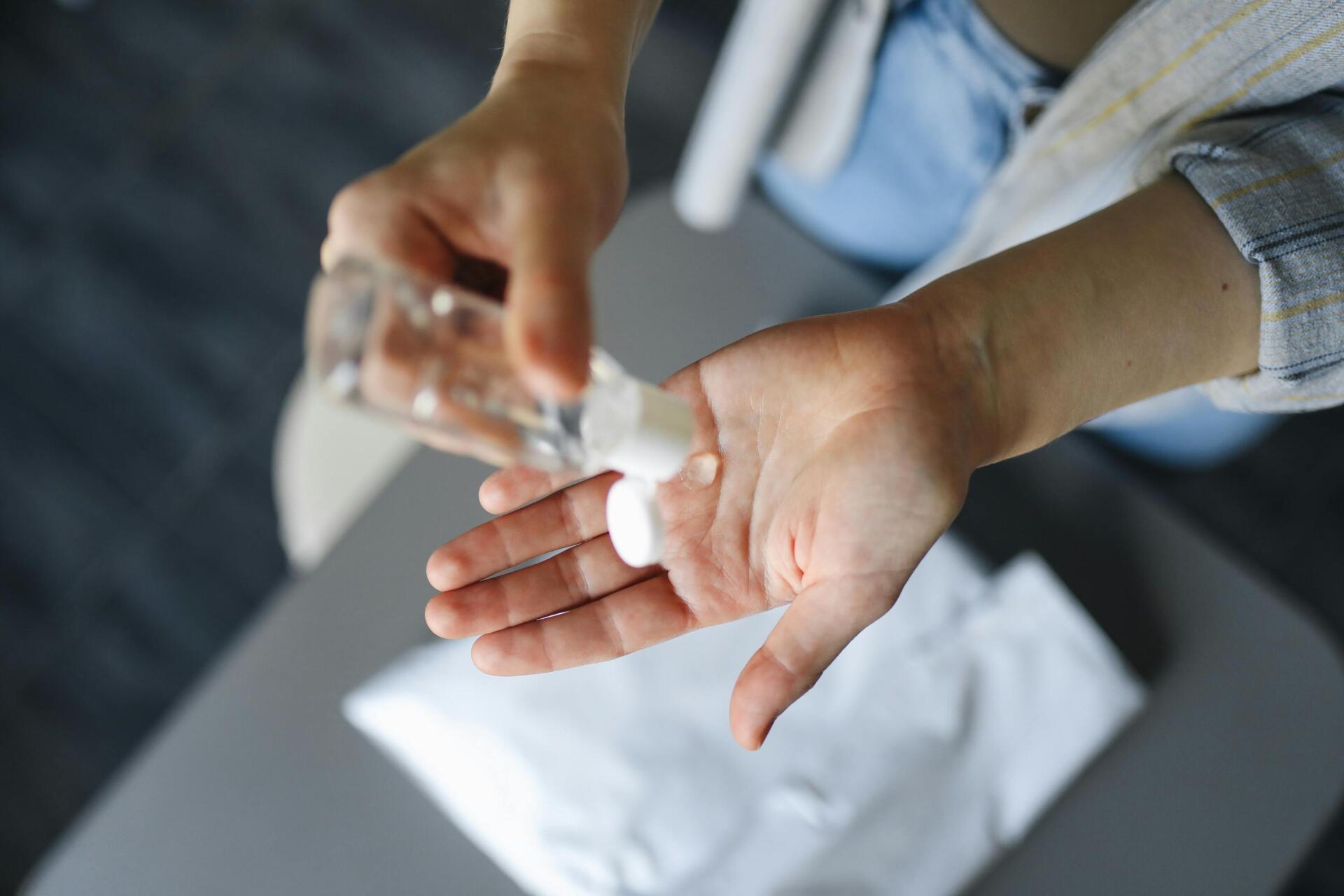
How To Orient Oneself In The Production Of Sanitizers, Sanitizers And Disinfectants
After the most aggressive phase of the pandemic that has swept our lives, we are faced with a significant increase in the number of people who could, inevitably, have contact that is not always safe: this leads to a greater demand for PPE and products “anti” – sanitizers, sanitizers, disinfectants – compared to the period of quarantine spent in their homes.
A “ante” product is a product capable of reducing the number of micro-organisms as a result of contact with them by means of a microbicidal action (Surgical and Biocidal Medical Devices), or as a secondary activity – and thus sanitizing – such as a cleaning product and a cosmetic detergent, on the basis of the principle that effective dirt removal also allows effective removal of micro-organisms on the cleansed surface, is inanimate or as animated as our skin.
In this perspective, the Italian Ministry of Health, in collaboration with the Istituto Superiore di Sanità (ISS), and in collaboration with ECHA (the European Chemicals Agency) has issued, since the first days of the pandemic, a series of provisions for the realization and marketing of PPE and “anti” products such as Surgical Medical Devices and Biocides. In particular by granting the latter, subject to extreme regulation in terms of authorisation procedures, a 180-day time waiver, without prejudice to the obligation to comply with the GMP requirements of those products and to demonstrate that they are complied with as a result of checks by the authority, or – if not – to withdraw the derogation. (http://www.trovanorme.salute.gov.it/norme/dettaglioAtto?id=73819)
As known, one of the most often repeated recommendations to combat the contagion of COVID-19 is to frequently wash your hands with soap and water or, in the absence of water, use hydro-alcoholic detergents, which do not need rinsing. A consideration supported by scientific data of the WHO by virtue of which a detergent with high concentration of alcohol, as well as to remove dirt, has the ability to denature proteins and dissolve the double lipid layer surrounding the capsid of a lipophilic virus such as Coronavirus (J Infect Dis 2017; 215:902-906).
For this reason, hydroalcoholic cosmetic products, with an alcohol content of at least 60% (w/w), are effective in hand sanitization, provided that the sanitizing action is always indicated as secondary to the main cosmetic function: detergent, soothing etc. (https://ec.europa.eu/docsroom/documents/40523/attachments/2/translations/it/renditions/pdf)
In recent months, Complife has committed to satisfy the requests for clarification and regulatory support from our customers who are preparing to make hydro-alcoholic cosmetic products, or wanted to move towards the production of PMC or Biocides; in particular, for the latter products, Complife has increased its service portfolio, which has already focused on carrying out microbiological efficacy GLP studies, studies of chemical stability and relative validation of analytical methods and using the new Laboratory of Complife Iberia at the Science Park of Barcelona.
Faced with such requests we have always provided not a simple answer, but we shared our knowledge, highlighted issues, proposed solutions: this is what makes a partner like Complife, supports its customers, especially in the face of new challenges.
